I believe the question at the end of the trip will be: in a few years, would I rather spend a year traveling around the world, or would I rather spend a year in Japan? Good lord, I love this country. I honestly do not know the answer.
(There will be no apostrophes in this entry as I cannot figure out where it is on this Japanese keyboard. But I learned the hard way how to turn the Kanji on and off on my screen. Alas.)
The ship internet was down as we approached Japan, so I have a ton of entries that several of us wrote as we approached and waited for the ship to clear that need to be uploaded, including the summary of Cambodia. That will have to wait until the first leg of the Pacific crossing.
I am trying to see if I can make it up to Yokohama to meet up Yoshiaki "Yoshi" Hatakeda, one of my many former Japanese coaches at Stanford.
Sayonara!
Monday, November 21, 2005


Sunday, November 20, 2005
Sushioke
We're trying to figure out how many entries we can post before the ship is cleared... in twelve hours. This is Jason's second of the Pre Port Ramblings.
We get to Japan in about 8 hours. We'll leave the ship in maybe 12 hours. And then, just a few hours after that, we'll have Sushioke. All night long, perhaps with a little Kirin or Sapporo, we'll have some Sushioke.
Some might already have figured out what it is. It's not exactly hard. For a made up word, it works like a combination German word. In this case, Sushioke is of course the combination of Sushi and Karaoke. Who doesn't like raw fish combined with drunken yodling? I mean, at least if you're already a little drunk yourself. Otherwise it could be a bit stomach turning. The singing. Not the raw fish.
We made that term because we wanted to have them both at once. I don't know if it's really possible. We might have to eat and then sing. With drinking for both. But I think we should manage it somewhere. Because, damn it, we're in the last port, and we're going to need to combine a thing or two to fit it all in. Probably a thing or three. So long ago we figured out that this particular combination could work really well, and really easily, and now we have the chance.
What would be best would be one of the conveyor belt sushi restaurants. After you took your sushi plates, you could put your song requests back on the same belt, and the sushi chefs would pass them on to the MC. He'd call your name, you'd gulp down a last bite of deliciousness, take the mike, and sing your heart out. In a perfect world, there'd be a beer converyor belt, too, but I don't think that we'll be that lucky.
So we'll hit the street and drink some ten dollar beer. We'll spend a hundred on sushi and then rent a little room for big bucks and belt out hits from the seventies. And we'll return home a little drunk, a little full, still singing something by Barry Manilow, maybe. With visions of Sapporo dancing in our head, we'll sleep deep, and wake up with just a few days left, and wonder where it all goes.
But we'll always have Sushi. Oke, that is.
We get to Japan in about 8 hours. We'll leave the ship in maybe 12 hours. And then, just a few hours after that, we'll have Sushioke. All night long, perhaps with a little Kirin or Sapporo, we'll have some Sushioke.
Some might already have figured out what it is. It's not exactly hard. For a made up word, it works like a combination German word. In this case, Sushioke is of course the combination of Sushi and Karaoke. Who doesn't like raw fish combined with drunken yodling? I mean, at least if you're already a little drunk yourself. Otherwise it could be a bit stomach turning. The singing. Not the raw fish.
We made that term because we wanted to have them both at once. I don't know if it's really possible. We might have to eat and then sing. With drinking for both. But I think we should manage it somewhere. Because, damn it, we're in the last port, and we're going to need to combine a thing or two to fit it all in. Probably a thing or three. So long ago we figured out that this particular combination could work really well, and really easily, and now we have the chance.
What would be best would be one of the conveyor belt sushi restaurants. After you took your sushi plates, you could put your song requests back on the same belt, and the sushi chefs would pass them on to the MC. He'd call your name, you'd gulp down a last bite of deliciousness, take the mike, and sing your heart out. In a perfect world, there'd be a beer converyor belt, too, but I don't think that we'll be that lucky.
So we'll hit the street and drink some ten dollar beer. We'll spend a hundred on sushi and then rent a little room for big bucks and belt out hits from the seventies. And we'll return home a little drunk, a little full, still singing something by Barry Manilow, maybe. With visions of Sapporo dancing in our head, we'll sleep deep, and wake up with just a few days left, and wonder where it all goes.
But we'll always have Sushi. Oke, that is.
Saturday, November 19, 2005
Do the Chinese have a word for it?
Jason wrote another guest entry... consider him the co-Cobosce (Co-Bosce?). Expect a slew of blogs as we wait for the ship to clear in Japan tomorrow morning...
The auction mentioned below raised over $25,000, btw.
There was a charity auction on the ship last night. The thing about charity auctions is that people get a little carried away. Because it's for charity, they bid on things they have no real interest in. Sometimes just to give money, sometimes in a misguided attempt to raise the bidding price. Rico and I were the main auctioneers (along with the very game and willing Dean John), and through the glare of spotlights I saw a few poleaxed looks on faces as people realized their bids were actually being accepted.
One of my work studies did it. He bid on a chair, because he thought the price would go higher. Weirder things had sold for more. But after his bid, the second for the item, the room fell silent, and suddenly he was the proud owner of a ten dollar chair, for which he had paid thirty dollars.
A member of my adopt-a-family made an accidentally successful bid, too. She was bidding for a ski weekend in Aspen, which is spitting distance from where she lives right now. And after she named the reasonably high but still underpriced sum of 325 dollars, there was just shifting in the seats, and Rico and me calling for more bids with diminishing enthusiasm, and suddenly she had a vacation to a place she goes to anyway.
And there was me. One of the items was, oddly enough, staff and faculty only. Except there were just about 8 total staff in the room, and I think there were no faculty most of the night. So I ended up bidding 200 dollars on a weekend in a condo on the west Florida coast. I have no interest in going there, but I wanted it to sell, and no one at all was going to bid. It turned out I was completely correct, no one else was going to bid, and now I have a trip to a place I don't want to go to.
There has to be a word for that, right? For bidding when you don't want something, or don't expect something? Maybe it's a French word, because they're subtle like that; or a German word, because they enjoy tangled situations like that; or a Russian word, because they understand awkward misery pretty well. And if there's not a word for it, there should be, because it would make this story much easier to tell.
The auction mentioned below raised over $25,000, btw.
There was a charity auction on the ship last night. The thing about charity auctions is that people get a little carried away. Because it's for charity, they bid on things they have no real interest in. Sometimes just to give money, sometimes in a misguided attempt to raise the bidding price. Rico and I were the main auctioneers (along with the very game and willing Dean John), and through the glare of spotlights I saw a few poleaxed looks on faces as people realized their bids were actually being accepted.
One of my work studies did it. He bid on a chair, because he thought the price would go higher. Weirder things had sold for more. But after his bid, the second for the item, the room fell silent, and suddenly he was the proud owner of a ten dollar chair, for which he had paid thirty dollars.
A member of my adopt-a-family made an accidentally successful bid, too. She was bidding for a ski weekend in Aspen, which is spitting distance from where she lives right now. And after she named the reasonably high but still underpriced sum of 325 dollars, there was just shifting in the seats, and Rico and me calling for more bids with diminishing enthusiasm, and suddenly she had a vacation to a place she goes to anyway.
And there was me. One of the items was, oddly enough, staff and faculty only. Except there were just about 8 total staff in the room, and I think there were no faculty most of the night. So I ended up bidding 200 dollars on a weekend in a condo on the west Florida coast. I have no interest in going there, but I wanted it to sell, and no one at all was going to bid. It turned out I was completely correct, no one else was going to bid, and now I have a trip to a place I don't want to go to.
There has to be a word for that, right? For bidding when you don't want something, or don't expect something? Maybe it's a French word, because they're subtle like that; or a German word, because they enjoy tangled situations like that; or a Russian word, because they understand awkward misery pretty well. And if there's not a word for it, there should be, because it would make this story much easier to tell.
Crazy Game of Frogger.
Welcome to the South China Sea, where the MV Explorer has encountered the roughest seas of the voyage! Everybody is sick! Woohoo! About 30 people showed up to Global Studies that they decided to break with the tradition and allow the class to be broadcast directly into the cabins. Kevin Murphy, the Global Studies lecturer, almost stopped mid lecture, but somehow managed to pull it through. I was really busy since so many professors decided to show movies instead of lecturing today. I don’t blame them. Even Sam, my new AV counterpart, who has lived six years on a ship, tells me was the first time he’s ever gotten sick.
The rocking is pretty violent and random, unlike previous swells, and that is why I think everyone is sick. It is impossible to sleep for any length of time before getting jolted awake. The windows on the seventh deck Staffulty lounge are getting nailed with spray. Several students and I spent some time last night timing our jumps with the slams to see how high we jump. Really, there was only one thing left to do in this kind of weather.
I needed a haircut.
Yup. Apparently the hair on the sides of my head an the back of my neck grow much faster than the hair on the top of my head (balding? Um… my grampa on my mom’s side died with a full head of hair… I’m safe! Whew!) that I beginning to show hints of Gallagher with a mullet. Chicks dig that, right?
I went to the beauty spa, home of the sauna and massage tables and exercise rooms and barber shop (rough life, eh?), and requested a touch up of the sides. Remember that scene in Jackass when Steve-O gets a tattoo while offroading on a Hummer? It was like getting a haircut from someone with severe Parkinson’s. The results? Well, if you think Kim Jong Il of North Korea is sexy, than I’m the man for you. I might request a little touch-up when the water is a little calmer, but we’ll see.
The captain will try to steer behind some islands for protection against the weather, and I can see a huge city of Taiwan as I type this. Not sure which… I’ll got check the Map Channel later.
Alright, more catch-up to do. We new immediately that Vietnam was going to be a different experience when they taught us how to cross the streets in Ho Chi Minh, complete with simulated cars. The trick? Once you go for it and start crossing the street, you have to commit and go all the way through. Much like gymnastics, the most dangerous thing you can do is hesitate, because the drivers assume that you will be moving forward and will dodge you accordingly. Since there seem to be more motorcycles than people in Ho Chi Minh, this is a scary proposition the first time you actually try it, but it isn’t long before you trust the system and start walking into the busiest streets just to get a kick of watching the parting of the Red Sea.
After a windy, three-hour trip up the Saigon River, we arrive in Ho Chi Minh City, and immediately you notice how modern and western the city is. The staff members who have been here as recently as two years ago say that the city has undergone a tremendous shift. Gone are the bicycles and traditional clothing and in are shops and malls and fashionable wear. I saw little evidence of a Communist economy while there, unless the Communist Party is really into making sure all citizens get a fair share of Armani Exchange. There were western brands everywhere.
(By the way, I’m convinced KFC is the most popular brand in the world. Colonel Sanders died a famous man).
I had planned for a long time to meet with a man named Cuong, a native Vietnamese man who befriended some SAS staff members over a decade ago. When Pete returned to Vietnam as a resident dean of the Fall 2000 voyage with Anne, he had raised some $5000 to help Cuong buy a house. Cuong has been indebted ever since.
Anne gave me his contact information, and we agreed by email to meet at the Ho Chi Minh Museum upon my arrival. What I didn’t know at the time is that the city has some five Ho Chi Minh museums, and he waited next to the one located next to the ship, dedicated to HCM the man himself. I walked all the way to a museum dedicated to the city, waited some time and didn’t find him, so decided to tour the city by foot, on my own.
The city is wonderful, modern, easy to get around, and I got to do a lot, so I’ll save a few details.
First, I visited the War Remnants museum, dedicated to the victims of the Vietnam War (or, as called over there, the American War or the War of Vietnam Agression). The first thing I noticed is that I’ve never seen a movie has successfully captured the look of Vietnam during the war. There was an war photography exhibit, and most of the pictures involved a lot of mud, which we don’t see in most of the movies set in the war.
The museum puts a real face on the Vietnamese side. Most of what I know about the war comes from movies from the war, but, as noted by Kevin Murphy, they’re never about the war but about how the war changed the soldier. The Vietnamese side is faceless or never dealt with, and the museum immediately adds that perspective for you.
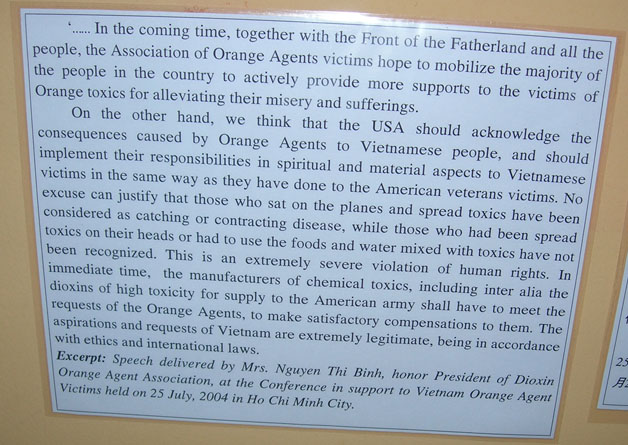
There are two moments in particular that make Americans feel very uncomfortable while there: the start of the exhibit, which starts with the American Declaration of Independence, and this text on Agent Orange. It hurts reading it, and in combination to the descriptions of torture techniques, the experience was powerful. War is hell.
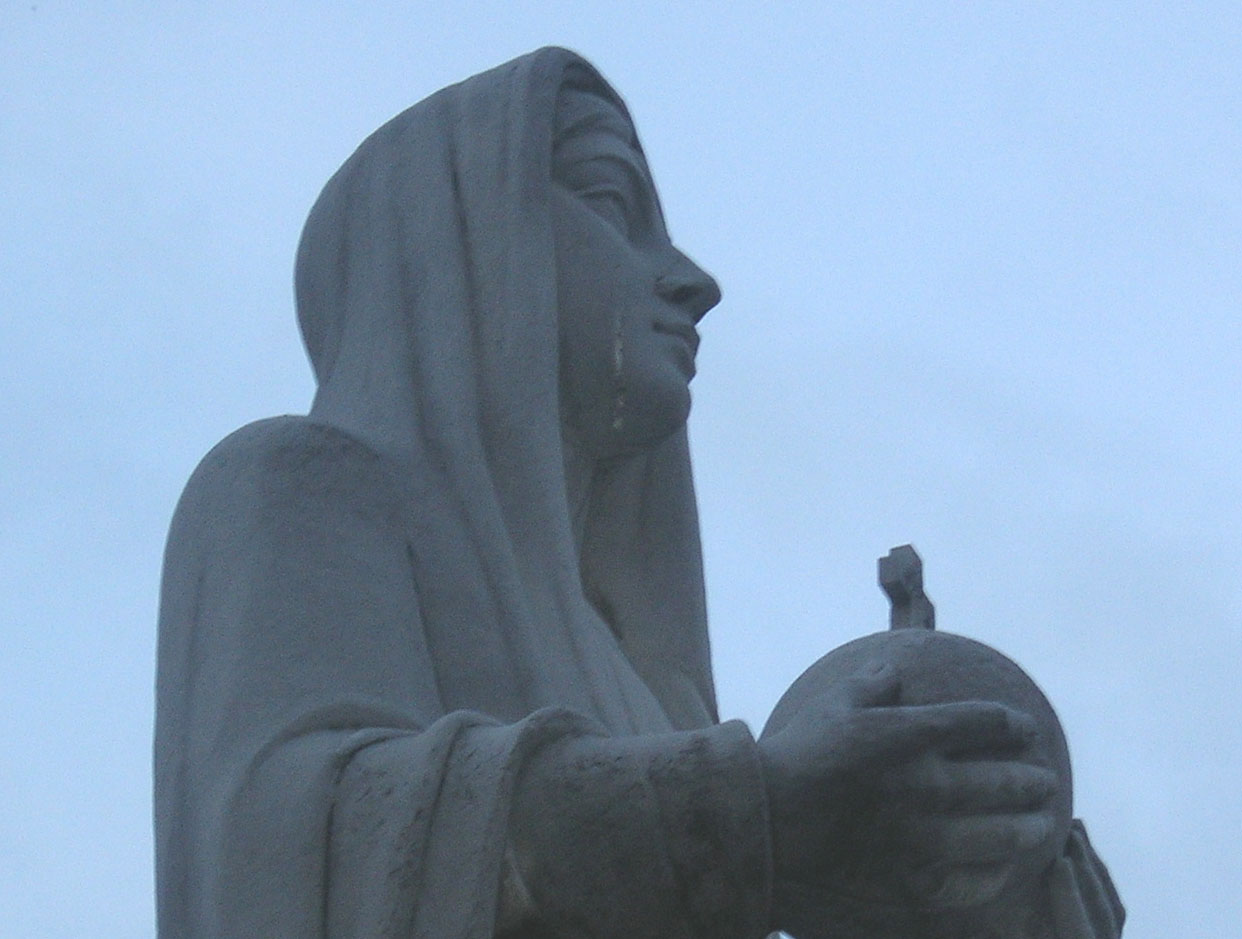
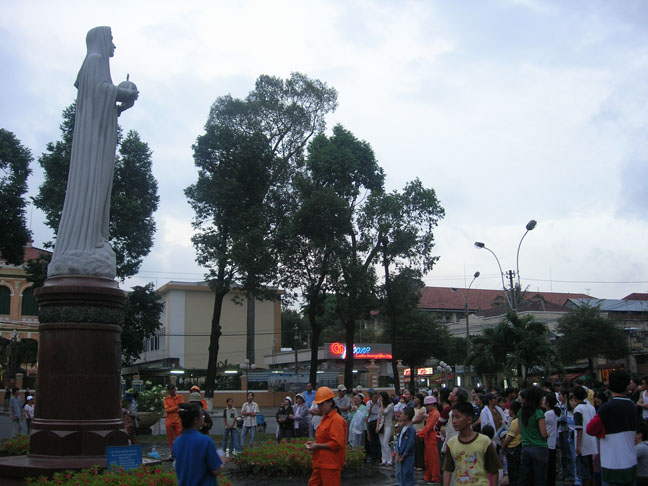
I continued on my foot tour of the city, visiting a Catholic Church that had a Virgin Mary statue that the faithful believed was “crying” and so they clamored around it by the thousands. I’d never seen a miracle up close and personal before. Unless you count the Berman’s performance on the HBMR video. That was an amazing experience.
Things were so cheap in Southeast Asia... and everything is fake, though oftentimes the workmanship is so good there is nothing to tell you what you're buying isn't real. All the CD and DVD are pirated, all books are illegal copies, and there are fake brand name accessories all over the place. I bought a huge North Face backpack for $15 and a Rolex for $10. Not bad, eh?
After calling my mom for the first time since the voyage began (I'm a bad son), getting pinched by a prostitute, and hanging out with the staff and students until late, I was able to figure out where Cuong and I went wrong, and luckily, he volunteered to try again the next morning at 9am... just a few hours later.
I met up with Cuong, a diminutive man who believes he's 40s, though either he doesn't know exactly or he wasn't able to convey it to me in English. His wife was also present, and after a brief introduction I hopped on the motorcycle and we headed into the crazy Vietnamese motorcycle traffic. I'm not going to tell you I thought this was a smart idea - they tell us on the ship that 30 people die a day in Vietnam from motorcycle accidents, and I didn't have a helmet. But I couldn't miss out on this unique opportunity and Cuong's generosity, so we hopped on board. It was pretty fun to see him dodging the pedestrians and other obstacles, and since I'm about twice his size, I'm pretty sure he needed quite a bit of effort to get the cycle moving... objects in motion tend to stay in motion...
We drove and drove and drove until we got to an industrial part of the city, where Cuong lives. We arrive at his house, in a very poor area where there is a home-made fishing pond and chickens around. In other words, I was near malaria and avian bird flu at the same time, and with the motorcycle rides, the only unsafe thing I didn't do was have unprotected sex with a prostitute. That I remember, anyway.
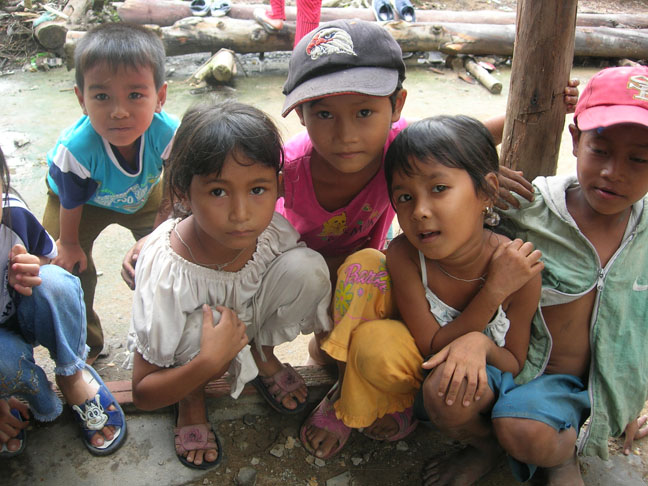
Soon the neighborhood children are packing his door frame trying to get a glimpse of this strange creature that's come to make a visit. "They've never seen an American," Cuong tells me. As I've done in all the other places, I start making friends with a little juggling, and next thing you know, I'm playing tag and other games with them while Cuong's wife cooks us a delicious meal.
At lunch Cuong tells me all about himself and shows me his pictures, including some that I had seen before from Anne, He doesn't live in the house bought with the $5000 given to him - his wife lives there with his five-year-old son because there are better schools in that neighborhood. He lives near his work, and now work isn't much anymore. Nine months ago, he was working at a nearby factory making fishing nets, and he lost a finger in a work-related accident. He was fired and given a $60 severance package. Out of work, he had to improvise, so now he collects cans and after opening them with a device he built, he sells them as scrap metal. His wife makes about $70 a month at her job.
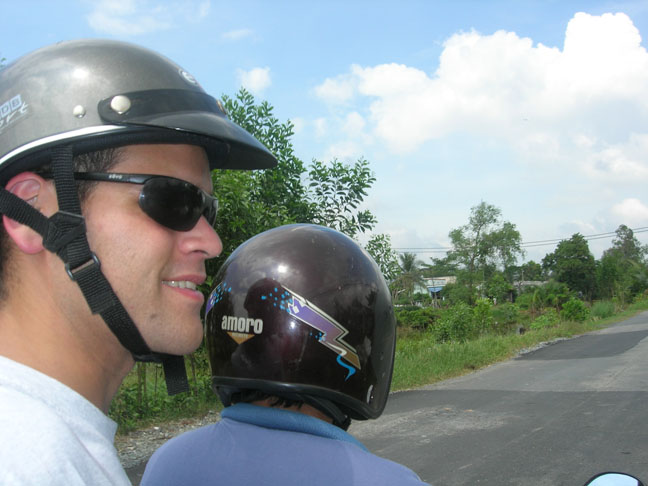
After the meal, he asks if he he can take me anywhere, and I tell him I always wanted to go to the Cuchi Tunnels. He said no problem, so we hopped on his motorcycle on our two hour trek of Vietnamese backcountry. This time I had a helmet.
The backcountry is exactly as we expect Vietnam to be in our minds: rural, green, with traditional clothing, ox carts, bicycles, conical straw hats, and rice field after rice field after rice field. I did wonder why they bothered marking the streets with traffic signs, because really, they didn't mean much. We never stopped dodging cars and buses and trucks driving into oncoming traffic, often sending us to the shoulder. There does seem to be a pattern after a while, so you really get used to it and feel safe. Until it starts raining. But I'll save that story in a second.
Two hours later, we arrive at the tunnel, which is an amazing experience in itself, showing me how little I knew about the Vietnam war. I had an impression in my mind that the tunnels were somewhat like the U-boats in World War II, that is, impressive but ultimately not important in the big picture of how the war progressed. I was wrong - the tunnels were an intergral part of the strategy of the guerilla warfare. They are an impressive feat of stealth engineering and improvisation, complete with hospitals and dining halls and booby traps. I walked through them and they are very small, I was sweating profusely by the time I reached 50 meters or so - it takes a lot of effort crawling through them, and the smaller average size of the Vietnamese soldier actually worked in their advantage because oftentimes American soldiers couldn't fit through some of the holes.
I spent two hours around the tunnels, and you leave with the feeling that the Vietnamese had a complete resolve to win the American War, regardless of the cost to their country. They were simply hard-wired to do so. Even today, you sense this undertone of pride that the little country beat out the big American invaders. It feels very weird to westeners, especially since the Vietnamese tend to be very hospitable to Americans nowadays. Cuong tells me he wishes people would just forget what happened. I wonder how easy that is to do.
I leave the tunnel, and a monsoon of epic proportion hits us. Of all the Vietnam movies I've seen, the only one that gets this right is Forrest Gump. Really, Forrest Gump! They rains come and go exactly as described in the movie, like someone turns them on an off in a matter of seconds. It can be sunny, and then you see a wall of cloud rolling in, and it's pouring rain in a matter of 30 seconds.
We're running out of light, so we need to make the two hour trek home. I ask Cuong if this is safe, but I'm not sure he understands my question. He puts on a plastic bag, and we're on our way.
I'm not proud of this, but this was definitely one of the craziest things I've ever done. I can't see a thing with the hard rain pelting my eyes. I'm not sure Cuong could see it either. The traffic continues moving as if this were a drought, and the road is often flooded. At one point, crossing about six inches of water, Cuong loses control of the motorcycle and we manage to fall off but stay on our feet (thank you, gymnastics!). Cuong loses a sandal in the process, which I find in the middle of traffic and have to run out and get it.
An hour later, the rain stopped, and we're relieved. We get back to the ship so I can get some dry shoes (I hate wet shoes), and I go out and treat Cuong to dinner and coffee. I'm not sure what it is with me and motorcycles in distant countries, but this was a pretty sweet day, one of the best. We say our goodbyes and I'm off to another night of fun in Saigon. If you're ever in Vietnam, give me a call, and I'll put you in touch with Cuong. He'll show you around.
The next day, we traveled to the Kingdom of Cambodia. That's next.
The rocking is pretty violent and random, unlike previous swells, and that is why I think everyone is sick. It is impossible to sleep for any length of time before getting jolted awake. The windows on the seventh deck Staffulty lounge are getting nailed with spray. Several students and I spent some time last night timing our jumps with the slams to see how high we jump. Really, there was only one thing left to do in this kind of weather.
I needed a haircut.
Yup. Apparently the hair on the sides of my head an the back of my neck grow much faster than the hair on the top of my head (balding? Um… my grampa on my mom’s side died with a full head of hair… I’m safe! Whew!) that I beginning to show hints of Gallagher with a mullet. Chicks dig that, right?
I went to the beauty spa, home of the sauna and massage tables and exercise rooms and barber shop (rough life, eh?), and requested a touch up of the sides. Remember that scene in Jackass when Steve-O gets a tattoo while offroading on a Hummer? It was like getting a haircut from someone with severe Parkinson’s. The results? Well, if you think Kim Jong Il of North Korea is sexy, than I’m the man for you. I might request a little touch-up when the water is a little calmer, but we’ll see.
The captain will try to steer behind some islands for protection against the weather, and I can see a huge city of Taiwan as I type this. Not sure which… I’ll got check the Map Channel later.
Alright, more catch-up to do. We new immediately that Vietnam was going to be a different experience when they taught us how to cross the streets in Ho Chi Minh, complete with simulated cars. The trick? Once you go for it and start crossing the street, you have to commit and go all the way through. Much like gymnastics, the most dangerous thing you can do is hesitate, because the drivers assume that you will be moving forward and will dodge you accordingly. Since there seem to be more motorcycles than people in Ho Chi Minh, this is a scary proposition the first time you actually try it, but it isn’t long before you trust the system and start walking into the busiest streets just to get a kick of watching the parting of the Red Sea.
After a windy, three-hour trip up the Saigon River, we arrive in Ho Chi Minh City, and immediately you notice how modern and western the city is. The staff members who have been here as recently as two years ago say that the city has undergone a tremendous shift. Gone are the bicycles and traditional clothing and in are shops and malls and fashionable wear. I saw little evidence of a Communist economy while there, unless the Communist Party is really into making sure all citizens get a fair share of Armani Exchange. There were western brands everywhere.
(By the way, I’m convinced KFC is the most popular brand in the world. Colonel Sanders died a famous man).
I had planned for a long time to meet with a man named Cuong, a native Vietnamese man who befriended some SAS staff members over a decade ago. When Pete returned to Vietnam as a resident dean of the Fall 2000 voyage with Anne, he had raised some $5000 to help Cuong buy a house. Cuong has been indebted ever since.
Anne gave me his contact information, and we agreed by email to meet at the Ho Chi Minh Museum upon my arrival. What I didn’t know at the time is that the city has some five Ho Chi Minh museums, and he waited next to the one located next to the ship, dedicated to HCM the man himself. I walked all the way to a museum dedicated to the city, waited some time and didn’t find him, so decided to tour the city by foot, on my own.
The city is wonderful, modern, easy to get around, and I got to do a lot, so I’ll save a few details.
First, I visited the War Remnants museum, dedicated to the victims of the Vietnam War (or, as called over there, the American War or the War of Vietnam Agression). The first thing I noticed is that I’ve never seen a movie has successfully captured the look of Vietnam during the war. There was an war photography exhibit, and most of the pictures involved a lot of mud, which we don’t see in most of the movies set in the war.
The museum puts a real face on the Vietnamese side. Most of what I know about the war comes from movies from the war, but, as noted by Kevin Murphy, they’re never about the war but about how the war changed the soldier. The Vietnamese side is faceless or never dealt with, and the museum immediately adds that perspective for you.
There are two moments in particular that make Americans feel very uncomfortable while there: the start of the exhibit, which starts with the American Declaration of Independence, and this text on Agent Orange. It hurts reading it, and in combination to the descriptions of torture techniques, the experience was powerful. War is hell.
I continued on my foot tour of the city, visiting a Catholic Church that had a Virgin Mary statue that the faithful believed was “crying” and so they clamored around it by the thousands. I’d never seen a miracle up close and personal before. Unless you count the Berman’s performance on the HBMR video. That was an amazing experience.
Things were so cheap in Southeast Asia... and everything is fake, though oftentimes the workmanship is so good there is nothing to tell you what you're buying isn't real. All the CD and DVD are pirated, all books are illegal copies, and there are fake brand name accessories all over the place. I bought a huge North Face backpack for $15 and a Rolex for $10. Not bad, eh?
After calling my mom for the first time since the voyage began (I'm a bad son), getting pinched by a prostitute, and hanging out with the staff and students until late, I was able to figure out where Cuong and I went wrong, and luckily, he volunteered to try again the next morning at 9am... just a few hours later.
I met up with Cuong, a diminutive man who believes he's 40s, though either he doesn't know exactly or he wasn't able to convey it to me in English. His wife was also present, and after a brief introduction I hopped on the motorcycle and we headed into the crazy Vietnamese motorcycle traffic. I'm not going to tell you I thought this was a smart idea - they tell us on the ship that 30 people die a day in Vietnam from motorcycle accidents, and I didn't have a helmet. But I couldn't miss out on this unique opportunity and Cuong's generosity, so we hopped on board. It was pretty fun to see him dodging the pedestrians and other obstacles, and since I'm about twice his size, I'm pretty sure he needed quite a bit of effort to get the cycle moving... objects in motion tend to stay in motion...
We drove and drove and drove until we got to an industrial part of the city, where Cuong lives. We arrive at his house, in a very poor area where there is a home-made fishing pond and chickens around. In other words, I was near malaria and avian bird flu at the same time, and with the motorcycle rides, the only unsafe thing I didn't do was have unprotected sex with a prostitute. That I remember, anyway.
Soon the neighborhood children are packing his door frame trying to get a glimpse of this strange creature that's come to make a visit. "They've never seen an American," Cuong tells me. As I've done in all the other places, I start making friends with a little juggling, and next thing you know, I'm playing tag and other games with them while Cuong's wife cooks us a delicious meal.
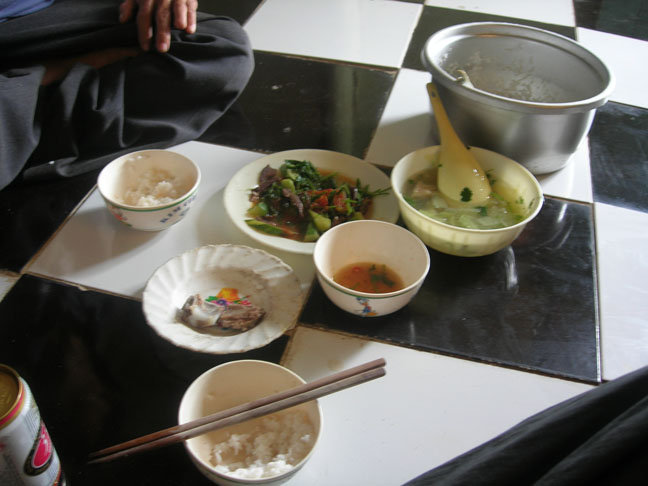
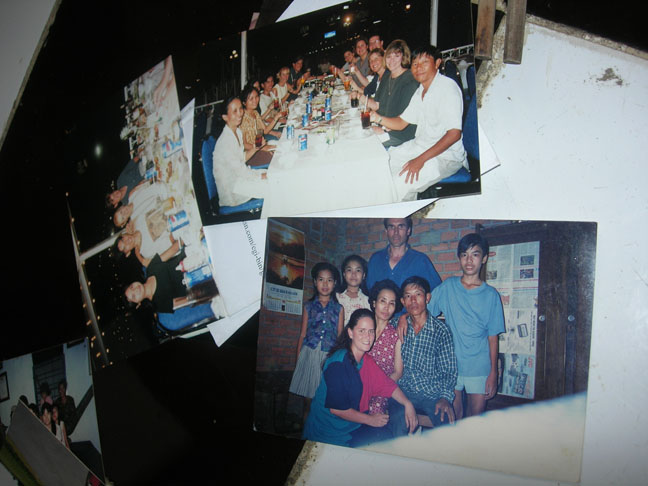
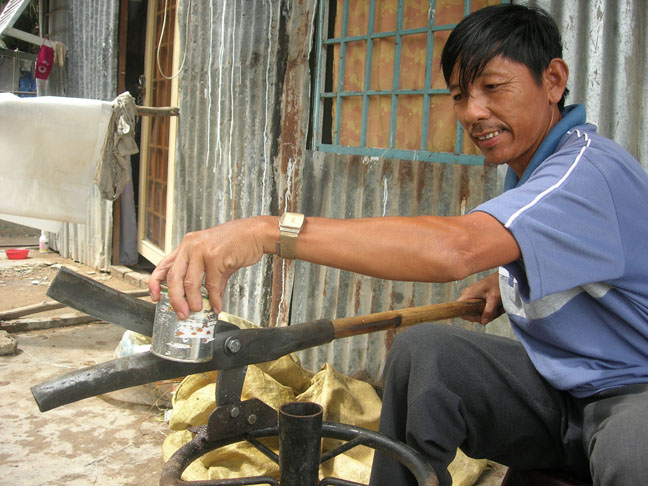
At lunch Cuong tells me all about himself and shows me his pictures, including some that I had seen before from Anne, He doesn't live in the house bought with the $5000 given to him - his wife lives there with his five-year-old son because there are better schools in that neighborhood. He lives near his work, and now work isn't much anymore. Nine months ago, he was working at a nearby factory making fishing nets, and he lost a finger in a work-related accident. He was fired and given a $60 severance package. Out of work, he had to improvise, so now he collects cans and after opening them with a device he built, he sells them as scrap metal. His wife makes about $70 a month at her job.
After the meal, he asks if he he can take me anywhere, and I tell him I always wanted to go to the Cuchi Tunnels. He said no problem, so we hopped on his motorcycle on our two hour trek of Vietnamese backcountry. This time I had a helmet.
The backcountry is exactly as we expect Vietnam to be in our minds: rural, green, with traditional clothing, ox carts, bicycles, conical straw hats, and rice field after rice field after rice field. I did wonder why they bothered marking the streets with traffic signs, because really, they didn't mean much. We never stopped dodging cars and buses and trucks driving into oncoming traffic, often sending us to the shoulder. There does seem to be a pattern after a while, so you really get used to it and feel safe. Until it starts raining. But I'll save that story in a second.
Two hours later, we arrive at the tunnel, which is an amazing experience in itself, showing me how little I knew about the Vietnam war. I had an impression in my mind that the tunnels were somewhat like the U-boats in World War II, that is, impressive but ultimately not important in the big picture of how the war progressed. I was wrong - the tunnels were an intergral part of the strategy of the guerilla warfare. They are an impressive feat of stealth engineering and improvisation, complete with hospitals and dining halls and booby traps. I walked through them and they are very small, I was sweating profusely by the time I reached 50 meters or so - it takes a lot of effort crawling through them, and the smaller average size of the Vietnamese soldier actually worked in their advantage because oftentimes American soldiers couldn't fit through some of the holes.
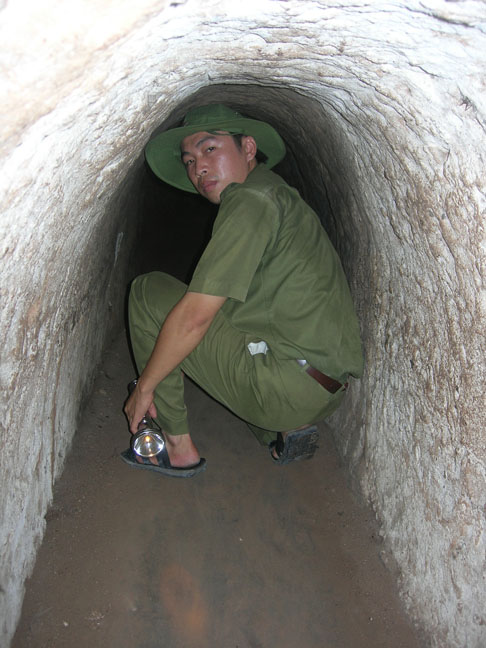
I spent two hours around the tunnels, and you leave with the feeling that the Vietnamese had a complete resolve to win the American War, regardless of the cost to their country. They were simply hard-wired to do so. Even today, you sense this undertone of pride that the little country beat out the big American invaders. It feels very weird to westeners, especially since the Vietnamese tend to be very hospitable to Americans nowadays. Cuong tells me he wishes people would just forget what happened. I wonder how easy that is to do.
I leave the tunnel, and a monsoon of epic proportion hits us. Of all the Vietnam movies I've seen, the only one that gets this right is Forrest Gump. Really, Forrest Gump! They rains come and go exactly as described in the movie, like someone turns them on an off in a matter of seconds. It can be sunny, and then you see a wall of cloud rolling in, and it's pouring rain in a matter of 30 seconds.
We're running out of light, so we need to make the two hour trek home. I ask Cuong if this is safe, but I'm not sure he understands my question. He puts on a plastic bag, and we're on our way.
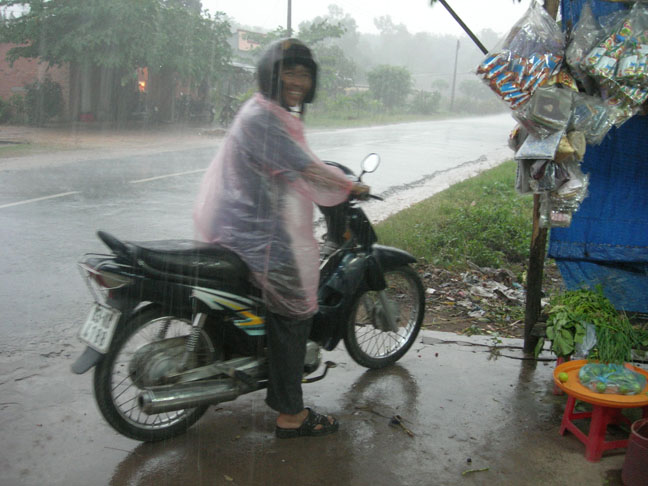
I'm not proud of this, but this was definitely one of the craziest things I've ever done. I can't see a thing with the hard rain pelting my eyes. I'm not sure Cuong could see it either. The traffic continues moving as if this were a drought, and the road is often flooded. At one point, crossing about six inches of water, Cuong loses control of the motorcycle and we manage to fall off but stay on our feet (thank you, gymnastics!). Cuong loses a sandal in the process, which I find in the middle of traffic and have to run out and get it.
An hour later, the rain stopped, and we're relieved. We get back to the ship so I can get some dry shoes (I hate wet shoes), and I go out and treat Cuong to dinner and coffee. I'm not sure what it is with me and motorcycles in distant countries, but this was a pretty sweet day, one of the best. We say our goodbyes and I'm off to another night of fun in Saigon. If you're ever in Vietnam, give me a call, and I'll put you in touch with Cuong. He'll show you around.
The next day, we traveled to the Kingdom of Cambodia. That's next.
Thursday, November 17, 2005
For the Best Trip Ever, bring new Rico (tm), now with Magic Happiness Action!
Jason's eighth (?) guest blog. I might not need to write about Kunming after this.
Seven ports. Seven times I heard Rico boldly declare he had been on the Best Trip Ever! And while I'm not going to call him a big fat liar on his own blog, I never really thought everything could be as good as he claimed. Rico has a far too positive attitude for his own good, so that something that most people might just say “Meh” to, Rico would love. I was willing to believe he had some pretty good trips, but that was about it.
Then we came to China, and I saw him in action. Not that he did much. He just had an unfailingly positive, hopeful and wonder-struck attitude. He's ready for everything to be awesome, and ready for anything bad to turn out good. That's not my attitude; I'm ready to be disappointed, and I'm ready to have things that look good go bad. And yet, with Rico that just went away. A couple times I was pretty sure that we were screwed; Rico said to just give it one more chance, and lo and behold, a little Chinese woman would appear and everything would be fine. It helped, too, to have Yas along, who also has a good attitude, so that my vague negativity was pretty much overwhelmed.
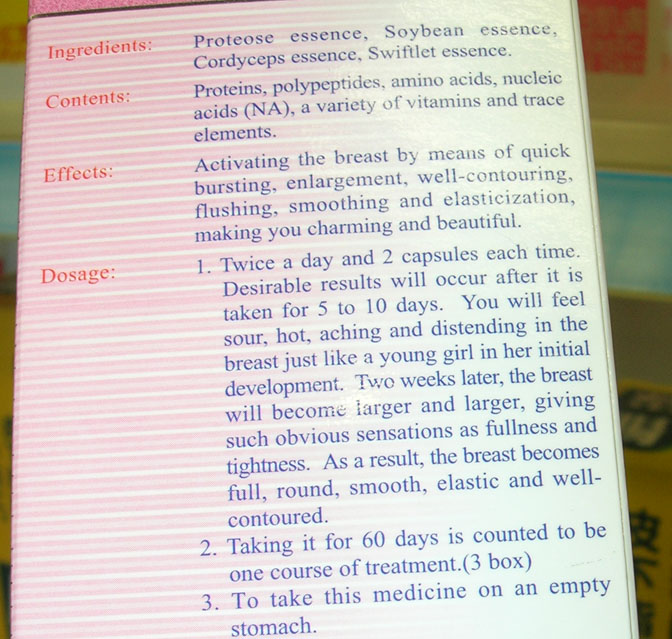
Further, things just happen. Like you walk around a corner, see lights and hear music, and find yourself rollerskating five minutes later. Or you wander the airport and discover that it's possible to have hot, sour, aching and distended breasts like when you were a young girl, and this is a sublime and amazing thing. Or you mean to order tea, but the woman makes you a full, delicious meal; what it is, you have no idea, but you can't stop eating. Rico did nothing to make any of this happen, but it fits with all the other trips he talks about, all the strange and great things that seem to occur. He's a walking bundle of serendipity, that wondrous sensation of finding an unexpected and amazing thing.
So in other words, Kunming was great. Rico'll write all about it. Yas, too, will surely write about it. I might, but I rather doubt I'll do it with any completeness. It's more special than that. I feel odd even talking about it, though, this being SAS, I have to do so, because people ask. I want it to sink into the back of my brain like some story I heard as a child, a tale of wonder and magic that I can somewhat remember the details of, but that I can more importantly remember the feeling of. I want to hold onto that feeling, and I feel too much writing, too much analysis, will lose it, and make it less special.
We walked in a stone forest and saw an elephant dancing on a platform. We heard eerie music played on strange instruments echoing on the night streets. We were kings in an ancient palace. Kites flew higher in the sky than all the string in the world would allow. A monk opened a golden door to show us a unicorn. Every word is true. Every word is unbelievable.
It was the best trip ever.
Seven ports. Seven times I heard Rico boldly declare he had been on the Best Trip Ever! And while I'm not going to call him a big fat liar on his own blog, I never really thought everything could be as good as he claimed. Rico has a far too positive attitude for his own good, so that something that most people might just say “Meh” to, Rico would love. I was willing to believe he had some pretty good trips, but that was about it.
Then we came to China, and I saw him in action. Not that he did much. He just had an unfailingly positive, hopeful and wonder-struck attitude. He's ready for everything to be awesome, and ready for anything bad to turn out good. That's not my attitude; I'm ready to be disappointed, and I'm ready to have things that look good go bad. And yet, with Rico that just went away. A couple times I was pretty sure that we were screwed; Rico said to just give it one more chance, and lo and behold, a little Chinese woman would appear and everything would be fine. It helped, too, to have Yas along, who also has a good attitude, so that my vague negativity was pretty much overwhelmed.
Further, things just happen. Like you walk around a corner, see lights and hear music, and find yourself rollerskating five minutes later. Or you wander the airport and discover that it's possible to have hot, sour, aching and distended breasts like when you were a young girl, and this is a sublime and amazing thing. Or you mean to order tea, but the woman makes you a full, delicious meal; what it is, you have no idea, but you can't stop eating. Rico did nothing to make any of this happen, but it fits with all the other trips he talks about, all the strange and great things that seem to occur. He's a walking bundle of serendipity, that wondrous sensation of finding an unexpected and amazing thing.
So in other words, Kunming was great. Rico'll write all about it. Yas, too, will surely write about it. I might, but I rather doubt I'll do it with any completeness. It's more special than that. I feel odd even talking about it, though, this being SAS, I have to do so, because people ask. I want it to sink into the back of my brain like some story I heard as a child, a tale of wonder and magic that I can somewhat remember the details of, but that I can more importantly remember the feeling of. I want to hold onto that feeling, and I feel too much writing, too much analysis, will lose it, and make it less special.
We walked in a stone forest and saw an elephant dancing on a platform. We heard eerie music played on strange instruments echoing on the night streets. We were kings in an ancient palace. Kites flew higher in the sky than all the string in the world would allow. A monk opened a golden door to show us a unicorn. Every word is true. Every word is unbelievable.
It was the best trip ever.
It's a City... From the FUTURE!
In 1989, my family visited Disneyworld in Orlando, Florida, as must be required by law of every Brazilian in their first visit to the United States. I was ten at the time, and some would call me slightly gullible. But can you blame me? While at Epcot Center, my dad took full advantage of my youth by convincing me that even the bathrooms of the futuristic park were of the latest technology, complete with self-flushing toilets and a robotic hand that would extend out from the urinal to shake off the last drops. “There’s no need to do it yourself,” he told me. “But be careful because if it malfunctions the hand doesn’t let go.”
Of course, the hyperactive, Calvin-esque child that I was thought this was the coolest thing I’d ever heard, and immediately proceeded to the bathroom, patiently waiting with my fly open for five or ten minutes after the deed for a robot to molest me. Disappointed that nothing happened, I walked back out to meet my laughing parents, probably wondering if I had enough evidence to get them arrested.
Fast forward to 2005. Why do I mention such humiliating moment of my youth?
Because we’re in Hong Kong, a city which seems like it was made in 2025. Everywhere you look, you feel like you’re decades ahead of anywhere else in the world. If someone had skated past me on a hoverboard, I wouldn’t have been surprised. If the urinals had a robotic arm that “took care of business”, I wouldn’t be shocked. It is certainly the trendiest city I’ve ever visited, with brand new buildings constantly being built on man-made islands reclaimed in the Victoria Harbour. The city is clean, safe, easy to get around, and reminds me a lot of a mixture of New York and San Francisco (an extra-large China town, complete with the Bay, if you will). Gone are the days when the harbor was filled with the romantic junks sailing into the sunset, once synonymous with the city.
The ships literally drops you off in a mall, and immediately you realize that the city is a shopper’s paradise. There is mall after mall after store after store after mall. This is quite jarring after the stretch from Chennai to Ho Chi Minh, especially since prices jump exponentially from the pennies we’ve gotten used to spending. I remember thinking in 1997, when Hong Kong was “returned” to China after British rule, that the claim that Hong Kong would operate in a separate political and economic system from the rest of the communist mainland wouldn’t last two long. Eight years later, the system seems to be working just fine, and if anything, mainland China is moving more and more towards a model of an open capitalist market.
(Speaking of the handover, we ran into Lord Patten, the last British governor of the island, who was promoting his new book. I “recognized” him because I noticed he was holding a book with a big picture of himself on the cover.)
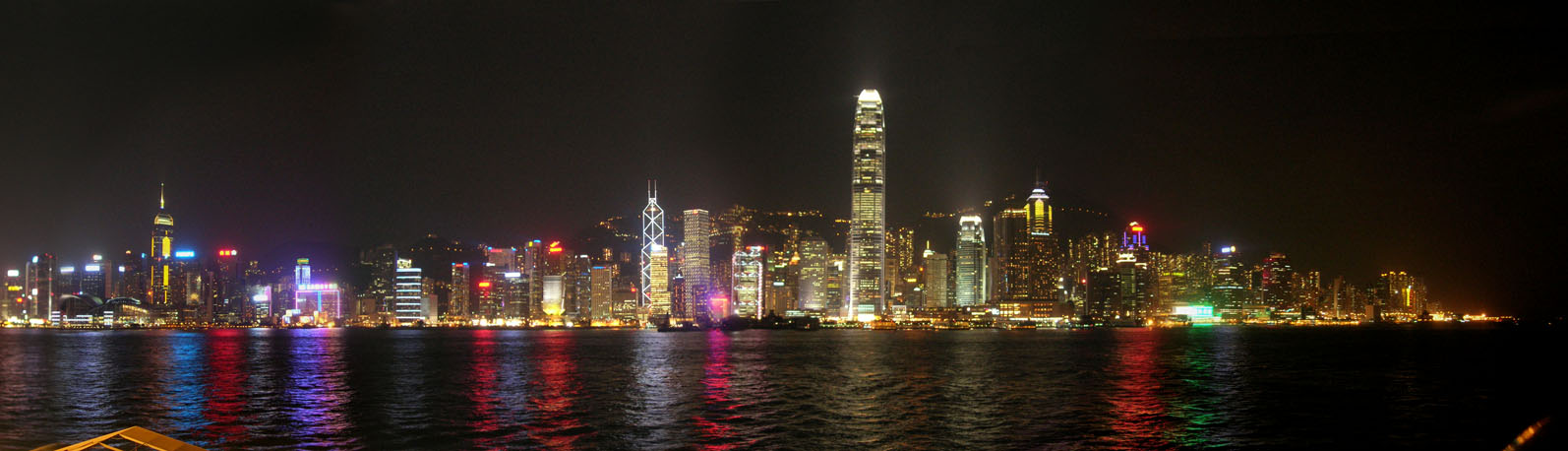
Hong Kong is easy. I feel like I know the city very well after only some three days here (two of our days we spent in Kunming). You don’t realize how stressful it is to see constant poverty and suffering until you visit to a prosperous, rich place like Hong Kong. So we sail away at night from one of the most beautiful cities in the world, and from my favorite port so far in this journey (if that was possible after the rest of southeast Asia). This is my view as I type this. Just for kicks – these are my five favorite cities in the world in alphabetical order (I haven’t visited Paris and Sydney and many other towns in the world):
Cape Town
Hong Kong
New York
Rio de Janeiro
San Francisco
We’ll be in Kobe, Japan in three days, and I have no plan of action. I have to write about Vietnam, Cambodia, and Fresn… err… Kunming, and hopefully I can get it done before then. I might need the help of some guest bloggers.
Of course, the hyperactive, Calvin-esque child that I was thought this was the coolest thing I’d ever heard, and immediately proceeded to the bathroom, patiently waiting with my fly open for five or ten minutes after the deed for a robot to molest me. Disappointed that nothing happened, I walked back out to meet my laughing parents, probably wondering if I had enough evidence to get them arrested.
Fast forward to 2005. Why do I mention such humiliating moment of my youth?
Because we’re in Hong Kong, a city which seems like it was made in 2025. Everywhere you look, you feel like you’re decades ahead of anywhere else in the world. If someone had skated past me on a hoverboard, I wouldn’t have been surprised. If the urinals had a robotic arm that “took care of business”, I wouldn’t be shocked. It is certainly the trendiest city I’ve ever visited, with brand new buildings constantly being built on man-made islands reclaimed in the Victoria Harbour. The city is clean, safe, easy to get around, and reminds me a lot of a mixture of New York and San Francisco (an extra-large China town, complete with the Bay, if you will). Gone are the days when the harbor was filled with the romantic junks sailing into the sunset, once synonymous with the city.
The ships literally drops you off in a mall, and immediately you realize that the city is a shopper’s paradise. There is mall after mall after store after store after mall. This is quite jarring after the stretch from Chennai to Ho Chi Minh, especially since prices jump exponentially from the pennies we’ve gotten used to spending. I remember thinking in 1997, when Hong Kong was “returned” to China after British rule, that the claim that Hong Kong would operate in a separate political and economic system from the rest of the communist mainland wouldn’t last two long. Eight years later, the system seems to be working just fine, and if anything, mainland China is moving more and more towards a model of an open capitalist market.
(Speaking of the handover, we ran into Lord Patten, the last British governor of the island, who was promoting his new book. I “recognized” him because I noticed he was holding a book with a big picture of himself on the cover.)
Hong Kong is easy. I feel like I know the city very well after only some three days here (two of our days we spent in Kunming). You don’t realize how stressful it is to see constant poverty and suffering until you visit to a prosperous, rich place like Hong Kong. So we sail away at night from one of the most beautiful cities in the world, and from my favorite port so far in this journey (if that was possible after the rest of southeast Asia). This is my view as I type this. Just for kicks – these are my five favorite cities in the world in alphabetical order (I haven’t visited Paris and Sydney and many other towns in the world):
Cape Town
Hong Kong
New York
Rio de Janeiro
San Francisco
We’ll be in Kobe, Japan in three days, and I have no plan of action. I have to write about Vietnam, Cambodia, and Fresn… err… Kunming, and hopefully I can get it done before then. I might need the help of some guest bloggers.
Monday, November 14, 2005
When in Fresno...
Imagine this scenario:
Imagine 700 Chinese students arrive on a ship in Los Angeles. 500 students immediately board a plane to San Francisco to see the Golden Gate Bridge. The rest stay in the trendy LA area. Three staff members randomly decide to go to Fresno.
Now imagine that going to Fresno turns out to be the most fortuitous decision you've made the entire voyage.
We're in cloud nine right now. We'll be back in Hong Kong - the coolest city on the planet - for another day and a half starting tomorrow.
Good times. Good times.
Imagine 700 Chinese students arrive on a ship in Los Angeles. 500 students immediately board a plane to San Francisco to see the Golden Gate Bridge. The rest stay in the trendy LA area. Three staff members randomly decide to go to Fresno.
Now imagine that going to Fresno turns out to be the most fortuitous decision you've made the entire voyage.
We're in cloud nine right now. We'll be back in Hong Kong - the coolest city on the planet - for another day and a half starting tomorrow.
Good times. Good times.
Saturday, November 12, 2005
That's Our House. We live there.
(Jason's note: I wrote this more than a month ago, but Rico's only now posting it because he wants to avoid posting another entry he says he'll post later. So here's this one instead.)
We live on a ship. This is pretty obvious. It's Semester at Sea, after all, not Semester in a Condo or Semester on the Streets. But it bears repeating. We live on a ship. I don't know how many of you have ever been on a cruise ship, but I'm reasonably sure none of you have lived on one longer than ten days.
It's not like living elsewhere. You can't go out. Or you can, but only as far as the seventh deck bar. Which is two minutes from your cabin. Which is two minutes from your work. Which is two minutes from the one and only restaurant on the ship. And so on. The place is small, and it's your whole life. You might have been on a big ship, and thought it was really quite large, but it's a lie.
The MV Explorer. 590 feet long, 84 feet broad; we have access to parts of Deck 2, most of Decks 3 through 7. This is it for us. All of us. For any single person, it's a couple shops, a few classrooms, a few public spaces and one cabin. A cabin that's probably smaller than the bedroom of whoever is reading this, unless you're in a dorm. In which case, get back to your homework.
The ship moves, too. I mean, of course, we're sailing around the world, but that's not it. It rocks. It sways. On occasion, it tips a goodly bit. Shit falls over. People lean as they walk, unusally in tandem. Doors, if not anchored, threaten to crush limbs. It's worse in the front of the ship, where I live (and Rico, too.) It's worse higher up. The Staffulty Lounge, which is that seventh floor bar I just mentioned, is about the worst, but then, it's private, and there's coffee.
Pretty much the entire ship is like that, one big compromise. Our rooms in the Pit, or to be more proper, 3 Forward, are small and lack amenities like windows, chairs and color. But the people there are the best on the ship. There's seasickness in the wings, but then, there's the endless swell of the sea. There's the smell of a thousand of us, hidden by strong cleaning agents, that fills the halls, but outside, there's the freshest air you've ever smelled, air that hasn't been bothered by people and their messes except briefly, as with us, in passing.
And for all the little problems, the lack of space, the minimal privacy, the repeition of sleep/work/home/bar being all the same places every day, for all of that, it's still home. The title of this piece is something I've heard people say, not once, but several times. Maybe we're drinking in a waterfront bar, and we look over to see the blue and white ship. Someone looks at someone else and says it. That's our house. We live there. And we smile, because we're the luckiest people on earth, to have such a home.
When we're in port, they turn on the lights at night. It's nothing much, just a string of bulbs from stem to stern. They're prettily ornamental, hundred watt bulbs strung in a single great line that must be seven hundred feet long. They're the first thing you see of the ship, once the sun is set. When the cab driver doesn't know the way, you spot those lights above the werehouses, and suddenly you can find the ship. They shine out into the night, into the strange, sultry darkness of foreign ports, and they call us home.
That's our house, we whisper, and point, and the cabbie smiles, if it's not too late, if he's not too tired from ferrying students to the port. We live there, we say. He already knows, and so do we, but we all like to say it.
We live on a ship. This is pretty obvious. It's Semester at Sea, after all, not Semester in a Condo or Semester on the Streets. But it bears repeating. We live on a ship. I don't know how many of you have ever been on a cruise ship, but I'm reasonably sure none of you have lived on one longer than ten days.
It's not like living elsewhere. You can't go out. Or you can, but only as far as the seventh deck bar. Which is two minutes from your cabin. Which is two minutes from your work. Which is two minutes from the one and only restaurant on the ship. And so on. The place is small, and it's your whole life. You might have been on a big ship, and thought it was really quite large, but it's a lie.
The MV Explorer. 590 feet long, 84 feet broad; we have access to parts of Deck 2, most of Decks 3 through 7. This is it for us. All of us. For any single person, it's a couple shops, a few classrooms, a few public spaces and one cabin. A cabin that's probably smaller than the bedroom of whoever is reading this, unless you're in a dorm. In which case, get back to your homework.
The ship moves, too. I mean, of course, we're sailing around the world, but that's not it. It rocks. It sways. On occasion, it tips a goodly bit. Shit falls over. People lean as they walk, unusally in tandem. Doors, if not anchored, threaten to crush limbs. It's worse in the front of the ship, where I live (and Rico, too.) It's worse higher up. The Staffulty Lounge, which is that seventh floor bar I just mentioned, is about the worst, but then, it's private, and there's coffee.
Pretty much the entire ship is like that, one big compromise. Our rooms in the Pit, or to be more proper, 3 Forward, are small and lack amenities like windows, chairs and color. But the people there are the best on the ship. There's seasickness in the wings, but then, there's the endless swell of the sea. There's the smell of a thousand of us, hidden by strong cleaning agents, that fills the halls, but outside, there's the freshest air you've ever smelled, air that hasn't been bothered by people and their messes except briefly, as with us, in passing.
And for all the little problems, the lack of space, the minimal privacy, the repeition of sleep/work/home/bar being all the same places every day, for all of that, it's still home. The title of this piece is something I've heard people say, not once, but several times. Maybe we're drinking in a waterfront bar, and we look over to see the blue and white ship. Someone looks at someone else and says it. That's our house. We live there. And we smile, because we're the luckiest people on earth, to have such a home.
When we're in port, they turn on the lights at night. It's nothing much, just a string of bulbs from stem to stern. They're prettily ornamental, hundred watt bulbs strung in a single great line that must be seven hundred feet long. They're the first thing you see of the ship, once the sun is set. When the cab driver doesn't know the way, you spot those lights above the werehouses, and suddenly you can find the ship. They shine out into the night, into the strange, sultry darkness of foreign ports, and they call us home.
That's our house, we whisper, and point, and the cabbie smiles, if it's not too late, if he's not too tired from ferrying students to the port. We live there, we say. He already knows, and so do we, but we all like to say it.
Passport Paranoia
Editor's note: We're still on the ship. Jason had time to write another guest entry.
The last time I travelled I took my passport with me everywhere. It sat in my security belt, and I didn't worry about it. When I was in a hotle I just put it down wherever and didn't feel the least bit concerned. Whatever happened, I would be fine.
This trip is a little different. From moment one, they told us that we should be terrified about losing our passports. I got on the ship, and they asked for it, and I didn't see it again for days. They're so afraid that we're going to lose it or get it stolen or possibly both that we're not allowed to have them unless we absolutely need them.
We don't carry them around in port, which is strange to me. My passport is my only ID, the only ID I ever breing when I travel, but now they tell us to just carry a photocopy. So far, that's been good, but what if some official looks at me funny? I think that's a bigger risk than carrying my passport. I'd rather have to use my photocopy for a few days than have to spend time in detention. But maybe that's just me.
But when I do have it now, I'm actually catching their paranoia. I feel a little worried. I think that maybe something is going to happen, that some clever pickpocket with get it, or that it'll just vanish someplace. But that's ridiculous. Like I'm going to just lose it somewhere. People do, but then, people also don't read books, and vote Republican, and other stupid things. Despite that comforting notion, the notion that I'm not a idiot, it has spread to me. I am partly convinced that it's a bad thing to have my passport. My rational mind knows that's moronic, but I can't help it. It's like a mob mind thing. And I want it to stop, but I can't.
Hopefully, I'll get over it. There will come a day when can I carry it safely but without concern again. Just not on this trip.
The last time I travelled I took my passport with me everywhere. It sat in my security belt, and I didn't worry about it. When I was in a hotle I just put it down wherever and didn't feel the least bit concerned. Whatever happened, I would be fine.
This trip is a little different. From moment one, they told us that we should be terrified about losing our passports. I got on the ship, and they asked for it, and I didn't see it again for days. They're so afraid that we're going to lose it or get it stolen or possibly both that we're not allowed to have them unless we absolutely need them.
We don't carry them around in port, which is strange to me. My passport is my only ID, the only ID I ever breing when I travel, but now they tell us to just carry a photocopy. So far, that's been good, but what if some official looks at me funny? I think that's a bigger risk than carrying my passport. I'd rather have to use my photocopy for a few days than have to spend time in detention. But maybe that's just me.
But when I do have it now, I'm actually catching their paranoia. I feel a little worried. I think that maybe something is going to happen, that some clever pickpocket with get it, or that it'll just vanish someplace. But that's ridiculous. Like I'm going to just lose it somewhere. People do, but then, people also don't read books, and vote Republican, and other stupid things. Despite that comforting notion, the notion that I'm not a idiot, it has spread to me. I am partly convinced that it's a bad thing to have my passport. My rational mind knows that's moronic, but I can't help it. It's like a mob mind thing. And I want it to stop, but I can't.
Hopefully, I'll get over it. There will come a day when can I carry it safely but without concern again. Just not on this trip.
"The Ship it Used to Be"
Postscript: The MP3 of this song can be downloaded here.
Alright, still have time to post. These are the lyrics to Allan's song. I'll post the MP3 when I have one. Sing it with a thick accent. Trust me, it is really catchy.
"THE SHIP IT USED TO BE"
Written and composed by Allan Pesado,
A/V Officer
Fall 2005
THE MV EXPLORER IT MEANS A LOT TO ME,
THE SHIP SAILS ONCE AGAIN, FALL SEMESTER BEGINS
FAR AWAY FROM HOME IS NOT AN EASY DREAM
IN A STORMY SEA IS A SCARY THING
THE MV EXPLORER THE SHIP IT USED TO BE
TOGETHER WITH YOU GUYS
ON SEMESTER AT SEA
SHE SAILS IN THE FALL
SEMESTER AND SPRING
THEN SUMMER HAS BEGUN
TO SAIL WITH YOU AGAIN
THE OFFICERS AND CREW
OH! FRIENDS DON'T YOU KNOW
WOULD LIKE TO SAY
HELLO OF COURSE TO ALL OF YOU
AND THANKING YOU SO MUCH
FOR ALL OF YOUR SUPPORT
TO SAIL WITH US AROUND THE WORLD.
THE MV EXPLORER IT MEANS A LOT TO ME
SO MANY THINGS TO LEARN
ON SEMESTER AT SEA
EXPLORING IN THE WORLD
AN EXCITING MOVE
ALL THE PORTS ARE GREAT
KENYA THE PLACE WE MISSED
MAURITIUS HAS TO COME
WAS NOT THE REAL PLAN
YOU HAVE TO UNDERSTAND
YOU OPEN UP YOUR EYES (IN YOUR LIFE)
NOW YOU REALIZE (WHAT YOU ARE)
SOME QUESTIONS IN YOUR MIND (WITH YOUR HEART)
NOW YOU UNDERSTAND
THEN CHRISTMAS TIME WILL COME
FALL SEMESTER HAS GONE
0N THE LAST DAY ON AT SEA
FAREWELL TO ALL YOU SAY,
TEARS FALLING IN YOUR EYES
WATCHING ALL YOUR FRIENDS
KISSING YOU AND SAID GOOD BYE.
EXPLORING IN THE WORLD AN EXCITING MOVE
ALL THE PORTS ARE GREAT KENYA THE PLACE WE MISSED
MAURITIUS HAS TO COME,WAS NOT THE REAL PLAN
YOU HAVE TO UNDERSTAND
YOU OPEN UP YOUR EYES (IN YOUR LIFE)
NOW YOU REALIZE (WHAT YOU ARE)
SOME QUESTIONS IN YOUR MIND ( WITH YOUR HEART)
NOW YOU UNDERSTAND
THEN CHRISTMAS TIME WILL COME
FALL SEMESTER HAS GONE
ON THE LAST DAY ON AT SEA
FAREWELL TO ALL YOU SAY,
TEARS FALLING IN YOUR EYES
WATCHING ALL YOUR FRIENDS
KISSING
YOU AND SAID GOOD BYE.
TEARS FALLING IN YOUR EYES
WATCHING ALL YOUR FRIENDS
KISSING YOU AND SAID GOOD BYE.
Alright, still have time to post. These are the lyrics to Allan's song. I'll post the MP3 when I have one. Sing it with a thick accent. Trust me, it is really catchy.
"THE SHIP IT USED TO BE"
Written and composed by Allan Pesado,
A/V Officer
Fall 2005
THE MV EXPLORER IT MEANS A LOT TO ME,
THE SHIP SAILS ONCE AGAIN, FALL SEMESTER BEGINS
FAR AWAY FROM HOME IS NOT AN EASY DREAM
IN A STORMY SEA IS A SCARY THING
THE MV EXPLORER THE SHIP IT USED TO BE
TOGETHER WITH YOU GUYS
ON SEMESTER AT SEA
SHE SAILS IN THE FALL
SEMESTER AND SPRING
THEN SUMMER HAS BEGUN
TO SAIL WITH YOU AGAIN
THE OFFICERS AND CREW
OH! FRIENDS DON'T YOU KNOW
WOULD LIKE TO SAY
HELLO OF COURSE TO ALL OF YOU
AND THANKING YOU SO MUCH
FOR ALL OF YOUR SUPPORT
TO SAIL WITH US AROUND THE WORLD.
THE MV EXPLORER IT MEANS A LOT TO ME
SO MANY THINGS TO LEARN
ON SEMESTER AT SEA
EXPLORING IN THE WORLD
AN EXCITING MOVE
ALL THE PORTS ARE GREAT
KENYA THE PLACE WE MISSED
MAURITIUS HAS TO COME
WAS NOT THE REAL PLAN
YOU HAVE TO UNDERSTAND
YOU OPEN UP YOUR EYES (IN YOUR LIFE)
NOW YOU REALIZE (WHAT YOU ARE)
SOME QUESTIONS IN YOUR MIND (WITH YOUR HEART)
NOW YOU UNDERSTAND
THEN CHRISTMAS TIME WILL COME
FALL SEMESTER HAS GONE
0N THE LAST DAY ON AT SEA
FAREWELL TO ALL YOU SAY,
TEARS FALLING IN YOUR EYES
WATCHING ALL YOUR FRIENDS
KISSING YOU AND SAID GOOD BYE.
EXPLORING IN THE WORLD AN EXCITING MOVE
ALL THE PORTS ARE GREAT KENYA THE PLACE WE MISSED
MAURITIUS HAS TO COME,WAS NOT THE REAL PLAN
YOU HAVE TO UNDERSTAND
YOU OPEN UP YOUR EYES (IN YOUR LIFE)
NOW YOU REALIZE (WHAT YOU ARE)
SOME QUESTIONS IN YOUR MIND ( WITH YOUR HEART)
NOW YOU UNDERSTAND
THEN CHRISTMAS TIME WILL COME
FALL SEMESTER HAS GONE
ON THE LAST DAY ON AT SEA
FAREWELL TO ALL YOU SAY,
TEARS FALLING IN YOUR EYES
WATCHING ALL YOUR FRIENDS
KISSING
YOU AND SAID GOOD BYE.
TEARS FALLING IN YOUR EYES
WATCHING ALL YOUR FRIENDS
KISSING YOU AND SAID GOOD BYE.
Subscribe to:
Posts (Atom)